

The Trust Deficit: Why Verification is the Future of African E-commerce
17-Feb-2026
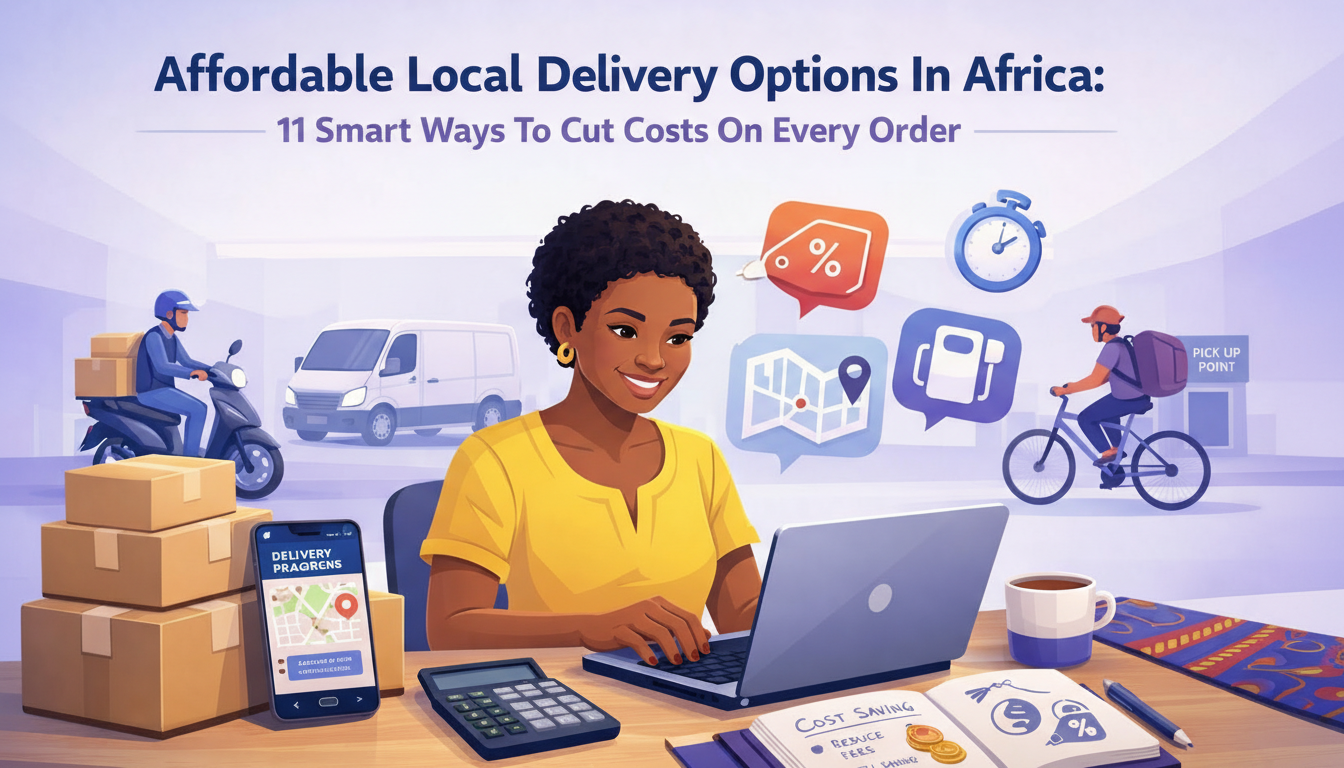
Africa’s last-mile delivery market was valued at about $5.15 billion in 2024 and is projected to reach $8.93 billion by 2031, which shows how quickly affordable local delivery options are growing across the continent. In this guide, we walk through practical, low-cost delivery methods you can actually use in African cities and towns today.
| Question | Short Answer |
|---|---|
| What are the cheapest local delivery options in Africa right now? | Motorbike couriers and informal riders are usually the most affordable for same-day drops in dense cities, while shared trucks and vans cut costs for bulk deliveries. |
| How can small merchants control delivery costs? | Group orders by location, use bikes for short distances, and list products on marketplaces like JaraHub to access buyers who are already nearby. |
| Where can I find drivers for vehicle-based delivery? | Vehicle marketplaces such as the Vehicles category show cars, bikes, and auto parts that many small logistics operators rely on for local courier work. |
| Do local delivery options cover non-food items like electronics and beauty products? | Yes, local couriers regularly move electronics, home goods, and beauty items similar to those listed in Electronics and Beauty & Personal Care. |
| Can services and professionals use these affordable delivery options? | Freelancers and agencies from categories like Services use the same bike and car networks to deliver documents, equipment, and client orders quickly. |
| How do I reach local buyers for bulky items like furniture or property documentation? | Use targeted listings in Home, Furniture & Appliances and arrange affordable van or small-truck delivery or pick-up at a central point. |
| Is it better to handle delivery myself or outsource? | If you have few orders, self-delivery using your existing vehicle can be cheaper, but as orders grow it is usually more efficient to outsource to local riders and courier partners. |
Across Africa, merchants care about one thing in delivery: how to move goods fast, safely, and at the lowest possible cost for both buyer and seller. In South Africa alone, last-mile delivery costs can range from R90 to R900 per package, so choosing the right local option has a direct impact on profit and customer satisfaction.
At the same time, Nigeria provides a useful picture of scale, with thousands of domestic shipments monthly cutting across skincare, books, electronics, and household items. This mix of products is similar to what we see in categories like vehicles, home goods, electronics, and personal care on JaraHub, where buyers often expect flexible and affordable local delivery arrangements.


Most African buyers are not just receiving high-value electronics or luxury goods, they are also ordering daily use products like skincare, books, small appliances, and dental care kits. In Nigeria alone, local deliveries in 2024 totaled 3,264.9 kg, with skincare making up 17 percent of shipments and books about 10.12 percent, which shows how diverse low-cost local delivery demand really is.
That range matches how people use platforms like ours to buy and sell everything from an Iconic Dental Combo at around GHS 250 to household equipment and small electronics. Affordable local delivery options keep these items within reach of buyers who expect fast service without high courier fees.

For same-day and same-city delivery, motorbikes dominate across African urban centers. They weave through traffic, handle narrow streets, and usually offer lower prices than cars, especially for light parcels like phones, small TVs, books, or cosmetics.
Bicycles and e-bikes are also emerging as ultra-low-cost options in quieter neighborhoods and campuses. For example, small merchants selling kids’ products or gadgets similar to those in our electronics listings can load multiple parcels on a bike and cover short routes cheaply.
A quick visual guide to cost-effective delivery methods across Africa. Learn five options suited for different cities and budgets.
Once items get heavier or bulkier, from furniture and home appliances to auto parts and tyres, cars and vans become the more practical local delivery option. These vehicles can consolidate multiple orders, which spreads the cost per delivery across several customers and keeps prices affordable.
Vehicle listings such as foreign used cars or auto parts on our platform show how many small logistics operators source reliable cars and spares for this type of work. Buyers arranging delivery for a car, generator, or a set of new tyres usually book a small truck or van for door-to-door service or pick-up at a known landmark.

Did You Know?
Terminal Africa data show 224 cities in Nigeria were served by local couriers in 2024.
Across Africa, digital freight and delivery platforms connect truck owners with businesses that need reliable local transport. Services similar to Kobo360, which optimize routes and loads, reduce empty trips and fuel wastage, so the effective cost per kilometer comes down.
For merchants listing products in categories like vehicles or home appliances, these platforms provide an on-demand way to book a van or small truck without maintaining their own fleet. This is especially useful for intercity delivery, for example from Lagos to Ogun State, or between suburbs in large metros.

Food and grocery delivery have become entry points for many Africans into on-demand services. In 2024, Uber Eats led Africa’s food-delivery space, with 31.3 percent of respondents calling it their go-to app, which shows the high appetite for convenient and timely local delivery.
These same bike and car networks that deliver meals also move non-perishable goods, from beauty products to small electronics. For small merchants who sell fast-moving items, partnering with food and quick-commerce couriers, or arranging direct bike delivery, can be one of the most affordable ways to serve nearby customers.
In rural and hard-to-reach communities, road conditions make traditional motorbike or car delivery slow and sometimes impossible during rainy seasons. This is where drones are starting to fill the gap, especially for high-value, time-sensitive items like medical supplies.
Zipline’s work in Rwanda and Ghana is a good example of how drone delivery shortens delivery times and cuts some of the infrastructure costs that would normally make remote last-mile delivery expensive. Although most commercial goods on platforms like ours still use road transport, drone networks point to future ways of making essential deliveries more affordable beyond big cities.
Did You Know?
Africa’s last-mile delivery market was valued at approximately $5.15 billion in 2024 and is projected to reach $8.93 billion by 2031, growing at a CAGR of 8.2%.
Local delivery is not priced the same in every region, even within one country. In Nigeria, for example, the South-West accounted for 86.26 percent of total deliveries in 2024, and Lagos alone made up 80.03 percent of pickups, which shows a heavy concentration of affordable options around major urban hubs.
For merchants in secondary cities or peri-urban areas, this means they sometimes pay slightly higher per-parcel costs because riders and cars need to cover longer distances with fewer guaranteed return loads. The best way to keep prices fair in such places is to group deliveries by neighborhood, set clear delivery days, and use central meeting points like markets or malls.
We see every day how small changes in delivery planning save money for both merchants and buyers. A simple switch from individual on-demand trips to grouped neighborhood routes can lower cost per parcel and still deliver within an acceptable timeframe.
Below is a quick comparison of common local delivery options and where they work best.
| Delivery Option | Best For | Relative Cost | Typical Distance |
|---|---|---|---|
| Motorbike courier | Documents, cosmetics, small electronics | Low | Within city, up to 15–20 km |
| Bicycle / e-bike | Very light parcels, campuses, short hops | Very low | Under 8–10 km |
| Car / van | Bulky items, grouped orders | Medium | Within or between nearby cities |
| Small truck | Furniture, tyres, appliances | Medium to high | Intercity routes and long suburbs |
| Drone | Vital items in remote areas | High but falling | Hard-to-reach rural zones |
When you list or buy items on our platform, clearly stating your preferred delivery method and area can help match you with the most affordable local option.
Affordable local delivery in Africa is not only for physical goods. Service providers such as videographers, photographers, social media managers, and developers often need to move equipment, props, printed materials, and contracts between clients.
Professionals listed in our Services category typically rely on the same motorbike and car networks that merchants use. By planning deliveries after shoots, events, or meetings, they can send edited drives, printed albums, or branded materials to clients at a fraction of standard courier prices.
We encourage service providers to treat local riders as long-term partners, not just one-off contractors. This often results in better rates and more reliable pick-up times.

Marketplaces reduce delivery friction by connecting buyers and sellers within the same city or region. When you use our platform, you can see item location upfront, message the other party, and agree on the most cost-effective local delivery or pick-up option.
This works across categories, whether you are buying a foreign used car, a smart TV, or a set of beauty products. You can also search across all categories using our Search feature, then filter by what is realistically reachable for you by bike, car, or shared truck.
Affordable local delivery options in Africa cover a wide range of methods, from bicycles and bikes to vans, trucks, and emerging drone services. The right choice depends on your product size, distance, and how fast the buyer needs the item.
As more cities and towns connect into regional delivery networks, merchants and buyers benefit from better coverage and more competitive pricing. By using platforms like JaraHub to match local supply and demand, and by planning delivery smartly, we can all keep costs down while still enjoying reliable, everyday delivery across the continent.